


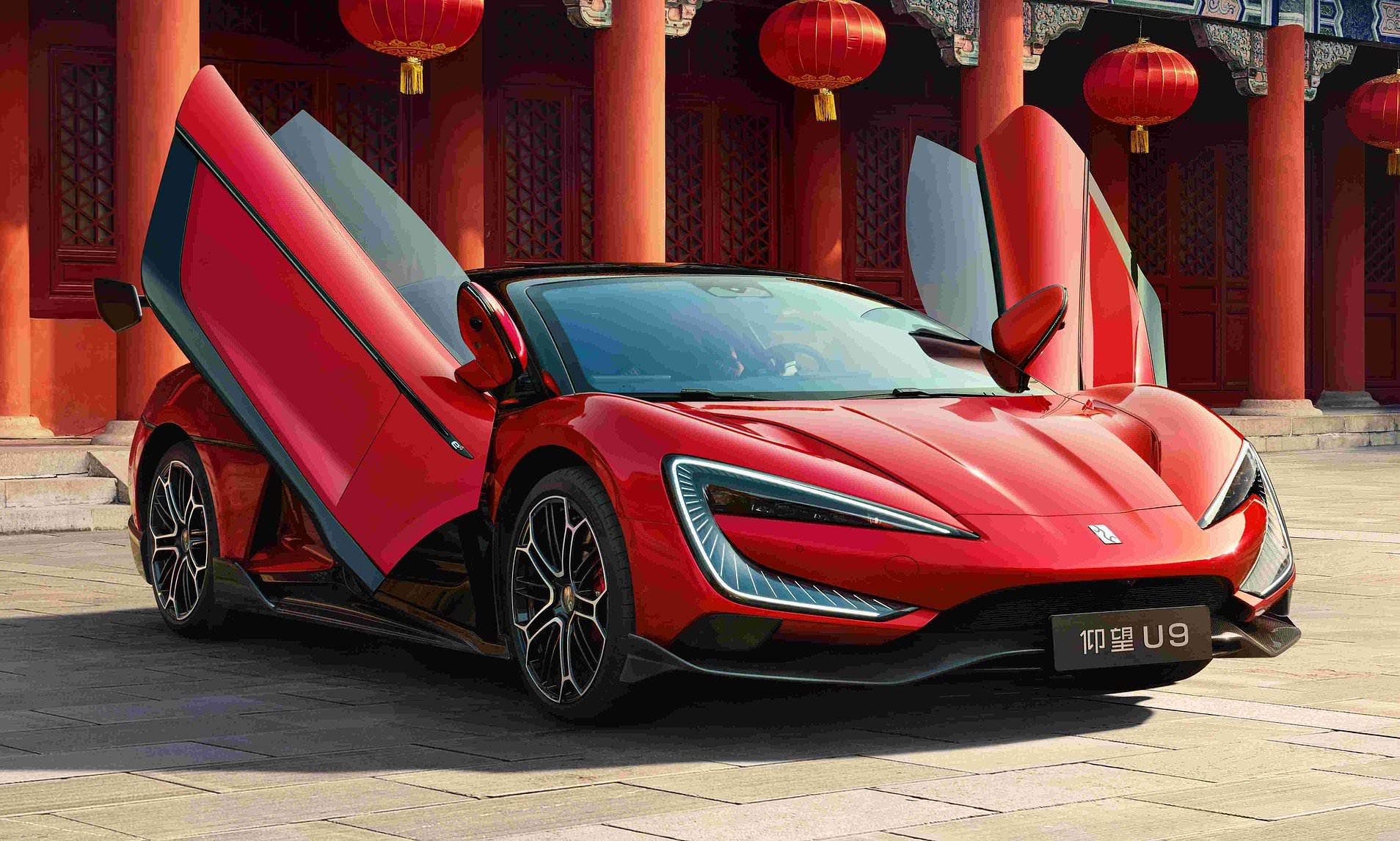
Chinese Automakers Accelerate into the UK Market, Surpassing 100,000 Sales Milestone
The United Kingdom’s automotive landscape is undergoing a significant transformation, with Chinese car brands rapidly gaining traction and projected to surpass the 100,000-unit sales mark within the past year. This surge signals a powerful entry into the market by manufacturers from Beijing, particularly in the burgeoning electric vehicle (EV) sector.
Industry figures reveal that brands, many of which were previously unfamiliar to UK consumers, such as BYD and Jaecoo, have collectively sold close to 95,000 vehicles in the eleven months leading up to November. With December’s sales data anticipated this week, and maintaining the current sales trajectory, the total for 2025 is poised to comfortably exceed six figures.
This achievement marks another significant milestone for the Chinese automotive industry, coinciding with the global shift towards electric mobility. It also arrives shortly after sales figures from Tesla, the once-dominant US EV manufacturer, confirmed that its sales in the past year have fallen behind those of BYD.
While established car manufacturers in Britain and Europe are diligently navigating the complex transition away from traditional diesel and petrol engines, newer brands from China are actively capturing consumer attention with more competitively priced offerings. This development, while potentially beneficial for car buyers, is raising concerns among industry experts regarding the future viability of domestic car manufacturing.
Explosive Growth in Market Share
A deeper analysis of Chinese sales in Britain, excluding the historic British marque MG (which is manufactured in China and sold over 75,000 cars from January to November 2025), highlights the sheer scale of this growth. The 94,888 units sold by these newer brands in the year to date represent an astonishing eightfold increase compared to the 11,412 units sold during the same period the previous year.
This remarkable expansion has propelled the market share of these emerging Chinese brands to over 5 per cent, a substantial leap from their previous 0.6 per cent.
Key players in this surge include:
- BYD: This brand has been a standout performer, selling an impressive 43,740 units over the eleven months. This figure not only signifies a significant increase from its previous year’s sales of 7,433 units but also sees BYD overtaking established players like Britain’s Mini in sales volume.
- Omoda: Omoda has also seen substantial growth, recording 18,051 sales, a marked improvement from the 2,829 units sold in the prior year.
- Chery: While starting from a lower base, Chery has made considerable inroads, selling 3,930 cars.
- Jaecoo: Jaecoo has emerged as a significant force, achieving sales of 24,418 units. The brand is notably behind the Jaecoo 7, a £30,000 model often dubbed the ‘Temu Range Rover,’ which has recently secured a spot among the UK’s top 10 best-selling new cars for the last three months.
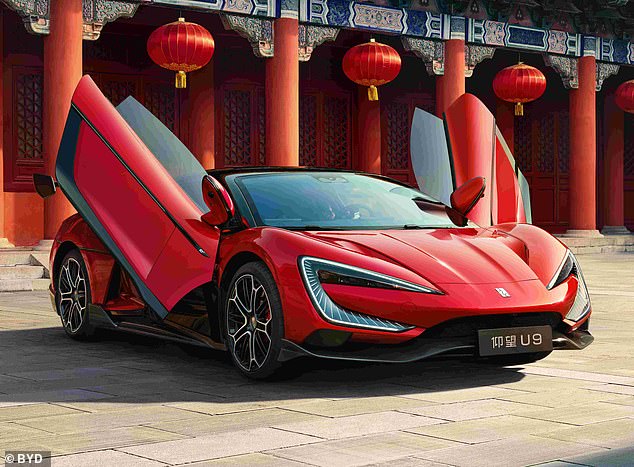
Navigating Trade Policies and Future Implications
Globally, both the United States and Europe have attempted to curb the influx of Chinese vehicles by implementing substantial tariff barriers. However, the United Kingdom has not adopted similar measures, a decision that critics fear could leave the domestic automotive industry vulnerable.
Professor David Bailey, a respected motor industry expert from Birmingham Business School, commented on the rapid market share acquisition, stating, “The speed of market share capture has been remarkable.”
Professor Bailey elaborated on the competitive advantages enjoyed by Chinese manufacturers. He indicated that Chinese firms can produce EVs at a cost that is up to 40 per cent lower than that of established Western brands. This cost efficiency is often achieved by producing key components, including batteries, in-house rather than relying on external suppliers.
The combination of lower vehicle prices and the absence of tariffs, such as those imposed by the EU and the US, has made the UK an attractive target market for these manufacturers. “The surge means more competition in electrification,” Bailey noted.
He further cautioned about the potential ramifications for the UK’s automotive sector: “If Chinese makers continue to grow market share rapidly, it could squeeze margins further and put pressure on investment, particularly for UK firms trying to retool for EV production.”
This escalating competition could undoubtedly spark anxieties for UK manufacturers unless the government takes proactive steps. Such measures could include initiatives to reduce energy costs for manufacturers and incentives to bolster domestic battery production and strengthen EV supply chains, thereby enhancing the competitiveness of British-made electric vehicles.















Discussion about this post