


The Unstoppable Rise of Premium Fitness: David Lloyd Gyms Thrive Amidst Economic Headwinds
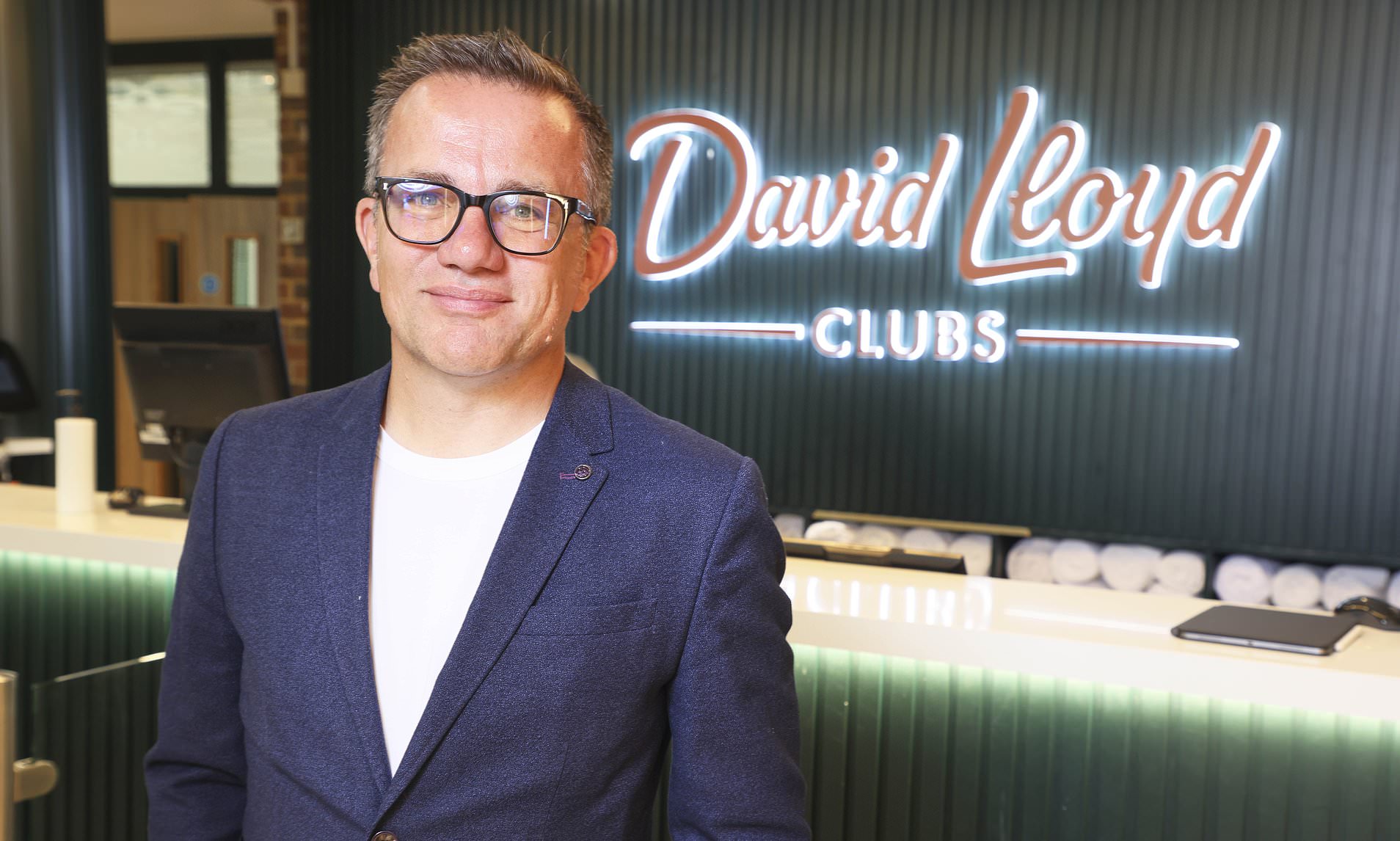
As the remnants of festive feasting fade and New Year’s resolutions begin to gather dust, one sector is experiencing an unexpected boom: the premium fitness industry. While many households grapple with the escalating cost of living and record tax burdens, Russell Barnes, the chief executive of David Lloyd, the UK’s largest upscale gym chain, is witnessing an unprecedented surge in demand.
David Lloyd, a sprawling empire encompassing state-of-the-art gyms, tennis and padel courts, swimming pools, luxurious spas, and even creches for children, is aggressively expanding its footprint across the United Kingdom. In December alone, the company opened three new venues in south London, Kent, and Essex, bringing its total to 108 sites in Britain. With an additional 29 clubs across Europe and a membership base exceeding 800,000, David Lloyd is showing no signs of slowing down.
“We are on track to open another 15 clubs across the UK and Europe by 2027,” Barnes stated. “Furthermore, we’ve identified approximately 100 potential locations across the UK that we aim to target over the next decade.”

Remarkably, Barnes claims the ongoing economic challenges have had virtually no impact on his business. “In our sector, we’ve seen no discernible impact from the cost of living crisis, the UK’s mortgage cliff, or the rise in inflation,” he explained. “Even now, following the Budget, which has seen more resources allocated to welfare, we continue to grow. We are not experiencing any significant tremors in demand.”
This resilience is particularly noteworthy considering that the health club group is implementing a fee increase for 2026, pushing the monthly cost for its most exclusive memberships to a staggering £459. For context, this price for an individual membership at David Lloyd’s flagship Chelsea club in west London represents one-third of the UK’s average monthly mortgage repayment of £1,253.
“We currently have nearly 20 clubs with waiting lists,” Barnes revealed. “The demand is strong and robust, irrespective of any potential policy decisions by the Chancellor.”
Wealthy Prioritise Fitness Over Leisure
Barnes suggests a significant shift in spending habits among high-earners since the pandemic, with many now opting to invest in premium gym memberships over traditional family holidays. “Prior to the pandemic, we were competing for consumers’ discretionary income with short breaks, dining out, or cinema visits,” he said. “Now, our services are being prioritised above holidays – activities that were once considered cornerstones of family life.”
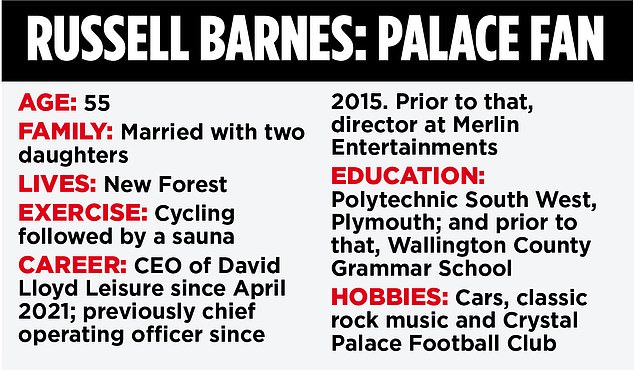
Families constitute half of David Lloyd’s membership base, with many opting for additional services such as creche facilities and tennis and swimming lessons. “A Saturday or Sunday morning at one of our clubs can offer parents several hours of personal time,” Barnes noted. “I remember when my children were younger, that dedicated time was incredibly precious.”
However, the upscale environment hasn’t been entirely devoid of controversy. Some members have raised concerns on a David Lloyd Facebook forum about certain activities occurring within the clubs. One member described a north London club as resembling “Love Island in the evenings,” with some regulars avoiding it after dark due to perceived excessive displays of intimacy. Another member alleged that two couples had been banned from her club for engaging in sexual activity, while others reported instances of individuals with criminal records being present in saunas and spa areas.
Barnes assured that the company takes swift action to address any inappropriate conduct. “We have removed a number of members this year for behaviours we deem unacceptable,” he stated. “However, we are dealing with human beings, and that encompasses the full spectrum of human behaviour. It is not our place to dictate who can or cannot become a member based on their personal circumstances, unless their behaviour is disruptive.”
This approach, combined with strategic investments in amenities like spas and padel courts, and a focus on “premiumisation,” has contributed to a significant financial uplift for the group. David Lloyd reported a 33% increase in adjusted profits, reaching £231 million last year. The company, which employs over 11,500 people, was put up for sale by its owner, TDR Capital, in 2024. However, the sale did not materialise, leading to a refinancing deal worth over £2 billion last summer, reportedly the largest refinancing deal of 2025.
Investing in the Future: Pilates, Padel, and Cutting-Edge Data Tracking
Looking ahead, David Lloyd is doubling down on its strategy to enhance its club offerings and justify premium pricing. While some clubs outside of London offer monthly fees as low as £80, TDR Capital has invested £280 million in upgrading the estate this year, with further significant spending planned to bolster facilities.
“We are expanding clubs wherever possible, making them more luxurious,” Barnes explained. “This includes introducing reformer Pilates studios, dedicated padel courts, and co-working spaces. This strategy undoubtedly helps us to insulate ourselves from the economic pressures faced by individuals due to increased taxation and the cost of living crisis.”
While many are still motivated by the post-holiday urge to shed excess weight, David Lloyd is betting heavily on an emerging trend for 2026: extreme data-tracking in fitness. The company plans to roll out a new service in 12 of its gyms, priced at £150 per month. This premium offering will integrate biometric data from gym equipment with blood testing, providing members with “deeply insightful data.” This information will then be used to develop “detailed, bespoke fitness programmes that we will track every six months,” offering users real-time insights into their health and wellbeing.

“There is a clear appetite for this level of insight among our membership,” Barnes asserted. He also highlighted how the widespread adoption of work-from-home patterns post-pandemic has helped to alleviate congestion on gym equipment. “We used to experience distinct peak and trough usage periods. Now, the usage curve is much flatter, with consistent activity throughout the day. We are even trialling opening some clubs at 5:30 in the morning.”
Embracing AI and Challenging Negative Narratives
In response to growing competition from at-home fitness gadgets, David Lloyd is also investing in artificial intelligence (AI). The company has allocated £25 million to its members’ app, which will soon incorporate advanced AI features. “We will upload all our gym floor layouts and every piece of equipment onto the app, to provide progressive, personalised gym programmes directly to users’ phones,” Barnes elaborated.
While acknowledging the financial strains faced by many Britons, Barnes expressed a nuanced perspective on the national economic outlook. “There is a prevailing narrative that everyone in the UK is struggling. While data from food banks clearly indicates hardship in certain areas, it’s also true that many British businesses are performing exceptionally well,” he stated.
Barnes recounted a recent meeting with Chancellor Rachel Reeves and other chief executives at No. 11 Downing Street, where he endeavoured to inject a sense of optimism for the year ahead. “We need to start recognising that Britain is not broken. It faces challenges, certainly, but it’s not all doom and gloom,” he concluded. “There are pockets of positivity. I am happy to pay my taxes and I am happy to continue living and working in Britain.”















Discussion about this post