


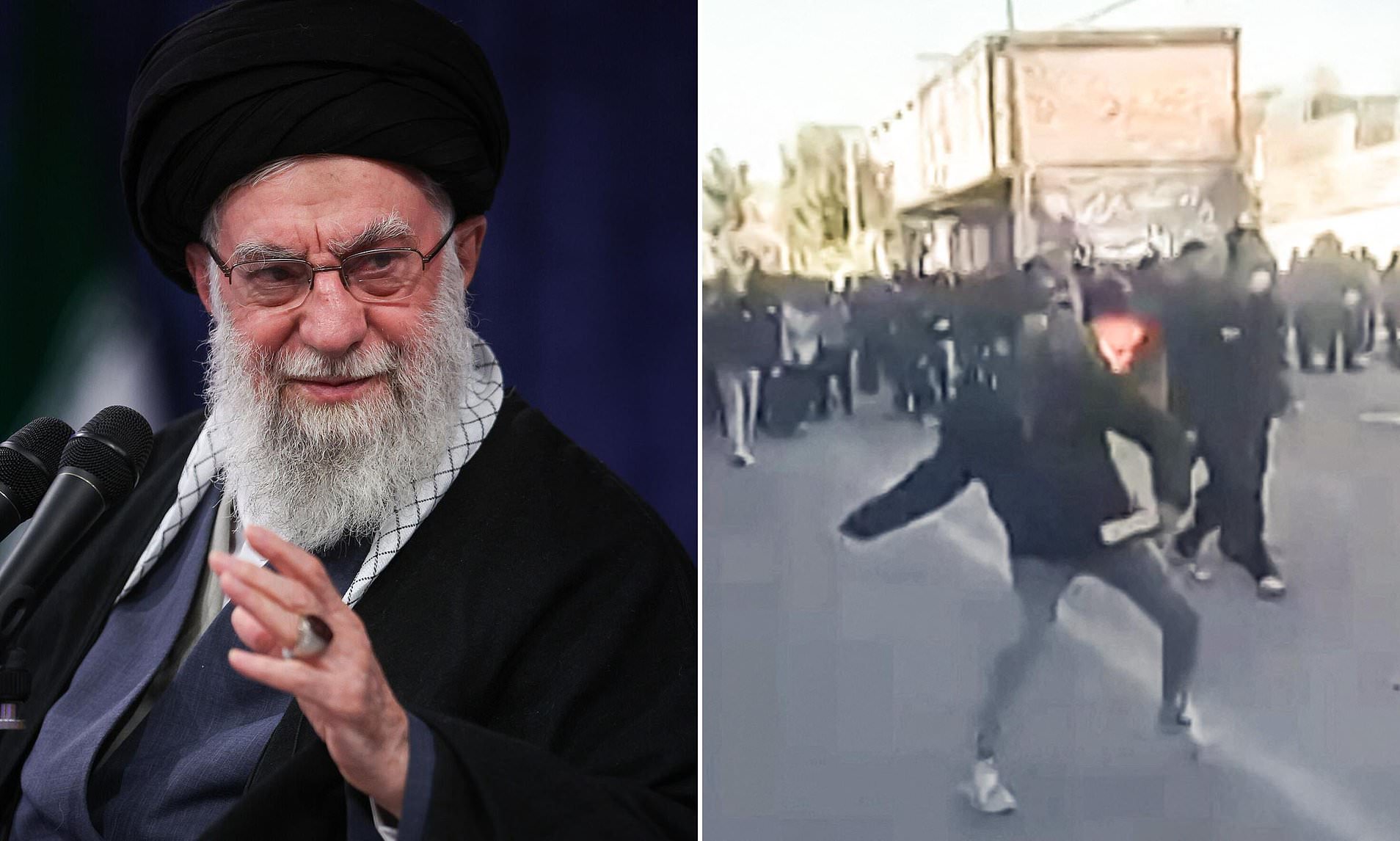
Iran’s Supreme Leader Issues Stern Warning Amidst Escalating Unrest and Fatal Protests
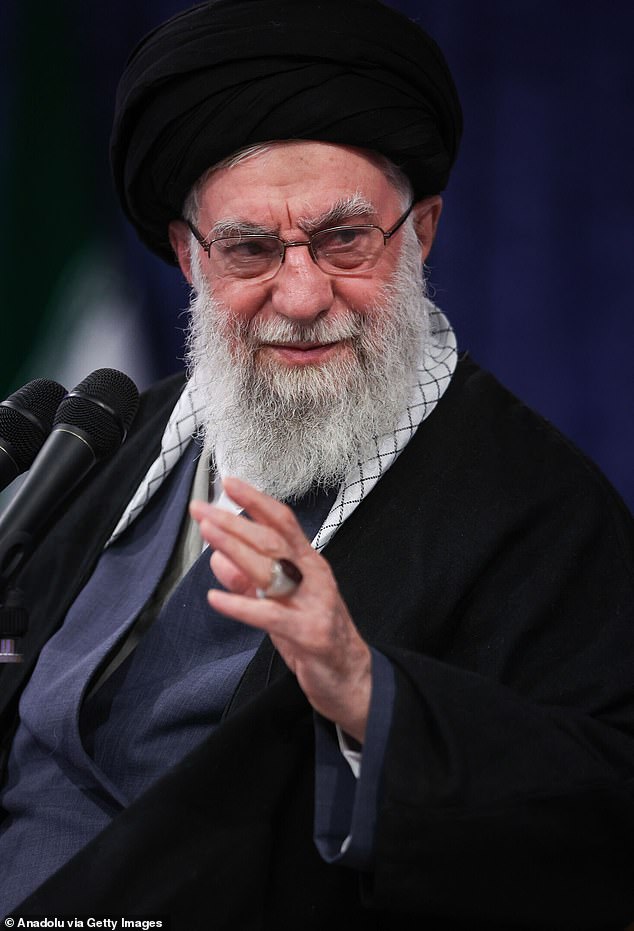
Iran’s Supreme Leader, Ayatollah Ali Khamenei, has issued a forceful warning, vowing to “put rioters in their place” as the nation grapples with a surge in violent protests and a rising death toll. The unrest, which has gripped the Middle Eastern nation for days, was ignited by a sharp increase in inflation and the continued depreciation of the Iranian rial.
In a recorded address on Saturday, Ayatollah Khamenei drew a clear distinction between protesters and “rioters,” stating, “We will speak with the protesters, but talking to rioters is useless. Rioters should be put in their place.” This strong stance comes as state-affiliated media reported three deaths on Saturday alone, with human rights organisations indicating that the total number of fatalities since the demonstrations began on Sunday has surpassed ten.
The economic backdrop to these protests is dire. The Iranian rial has seen a dramatic collapse, with one US dollar now costing approximately 1.4 million rials. This economic hardship, exacerbated by international sanctions, has fuelled widespread discontent.
Calls for Action and Echoes of Past Uprisings
Videos circulating on social media platforms appear to capture the intensity of the demonstrations in various parts of Iran, including the southern and western regions. In one widely shared clip, marchers can be heard urging fellow Iranians to join them, chanting slogans like “We don’t want spectators: join us.”
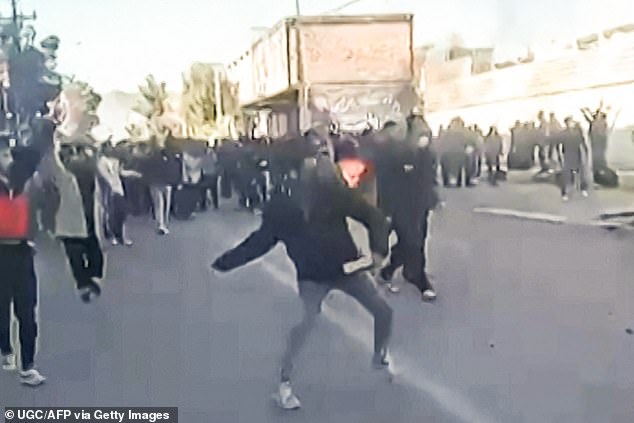
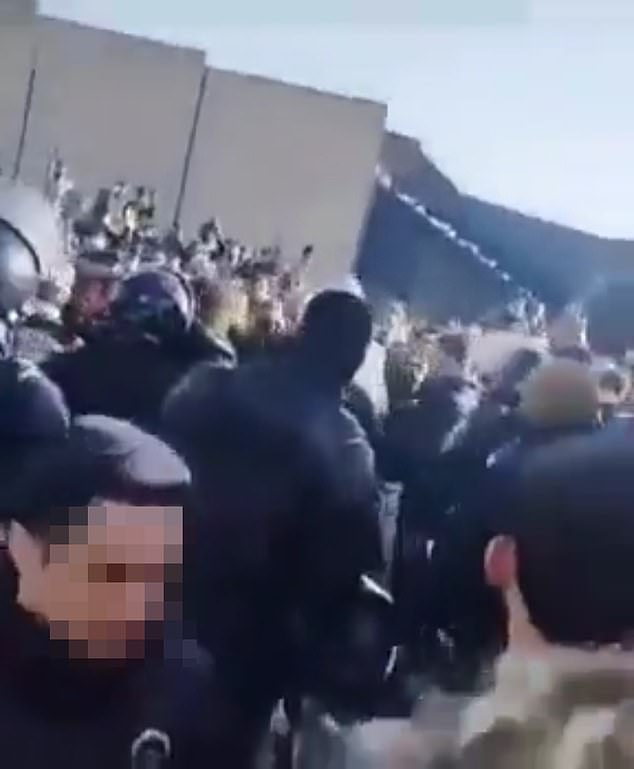
The protests have become the most significant civil unrest in Iran since the nationwide demonstrations in 2022, which were triggered by the death of 22-year-old Mahsa Amini while in police custody. However, current reports suggest that while the protests are widespread, they have not yet reached the same level of intensity or broad participation as those following Amini’s death, who was detained for allegedly not adhering to the strict hijab regulations.
A Growing Toll and Disturbing Incidents
The violence accompanying the recent protests has reportedly escalated. State-affiliated news agencies Mehr and Fars reported that a member of the security forces and two demonstrators were killed in Malekshahi, a town in western Iran. According to the reports, armed individuals attempted to enter a police station, leading to the fatal confrontation.
In Qom, a city renowned for its major Shiite seminaries, a grenade explosion resulted in the death of one man, as reported by the state-owned IRAN newspaper. Security officials have alleged that the deceased was carrying the grenade with the intent to attack people in the city, located about 80 miles south of the capital, Tehran. Online videos purportedly from Qom depicted fires in the streets during the night.
Another fatality occurred in Harsin, a town approximately 230 miles southwest of Tehran. The IRAN newspaper stated that a member of the Basij, a volunteer force within Iran’s paramilitary Revolutionary Guard, died in an attack involving firearms and knives in Kermanshah province.
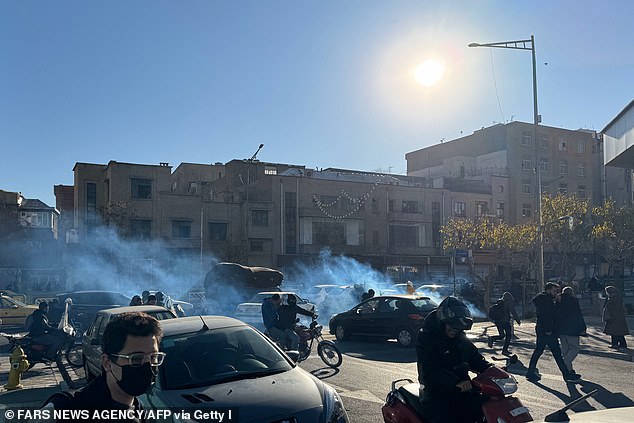
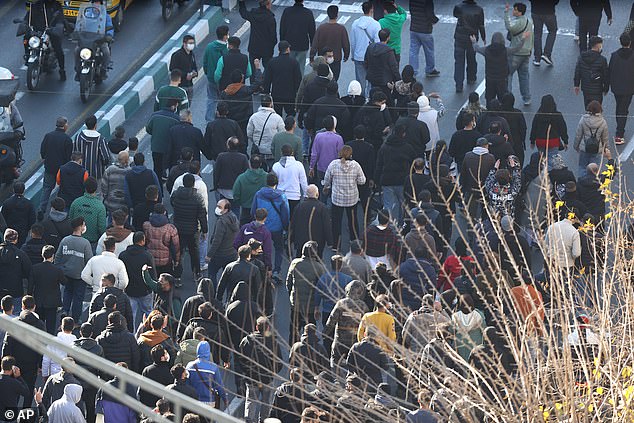
According to the U.S.-based Human Rights Activists News Agency, protests have now spread to over 100 locations across 22 of Iran’s 31 provinces.
Diplomatic Tensions and International Scrutiny
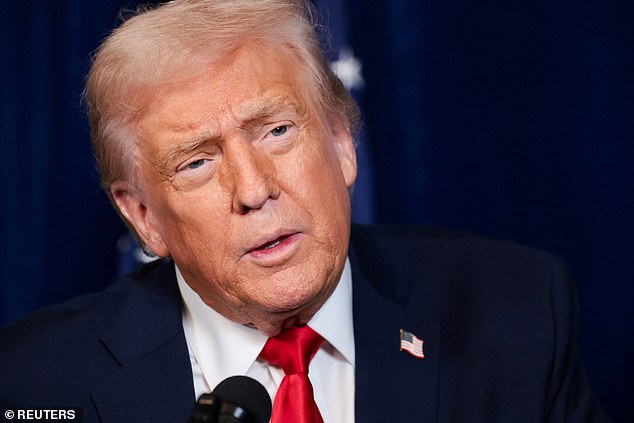
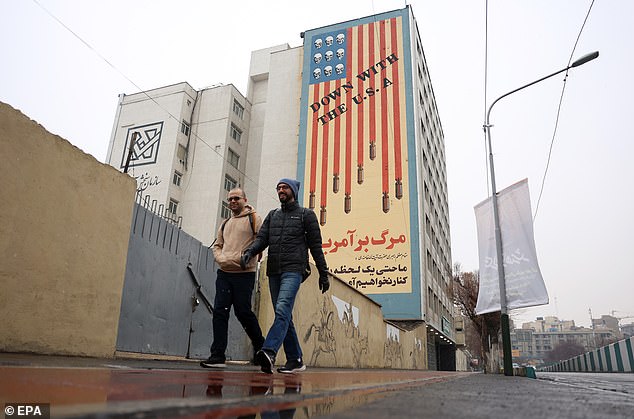
Adding a layer of international tension, U.S. President Donald Trump has reportedly threatened to come to the aid of the protesters, stating that the United States was “locked and ready to go.” This statement has drawn an irate response from Iranian officials, who have threatened retaliation against U.S. troops stationed in the Middle East. The significance of Trump’s remarks is amplified by recent events involving the capture of Venezuelan President Nicolas Maduro.
Meanwhile, Iran’s civilian government, led by reformist President Masoud Pezeshkian, has reportedly attempted to signal a willingness to negotiate with protesters. However, President Pezeshkian has publicly acknowledged the limitations of his office in addressing the severe economic downturn.
The protests have not solely focused on economic grievances; demonstrators have also voiced dissent against Iran’s theocratic government.
Economic Woes and International Relations
Iran’s economy has faced significant challenges in recent months, further strained by its conflict with Israel and subsequent U.S. actions impacting Iranian nuclear sites. In an effort to signal openness to the West and potentially ease sanctions, Iran recently announced it would cease enriching uranium at all its facilities. However, these diplomatic overtures have yet to yield substantive negotiations, with both President Trump and Israeli Prime Minister Benjamin Netanyahu issuing warnings against Iran’s nuclear program.
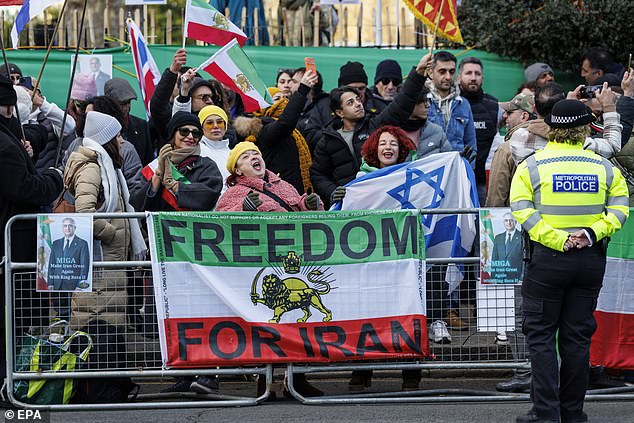
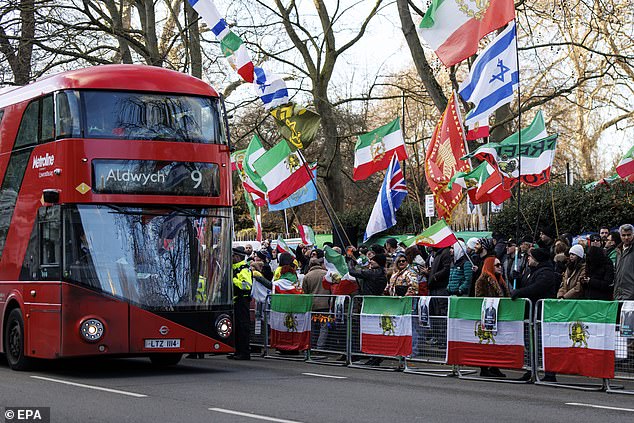
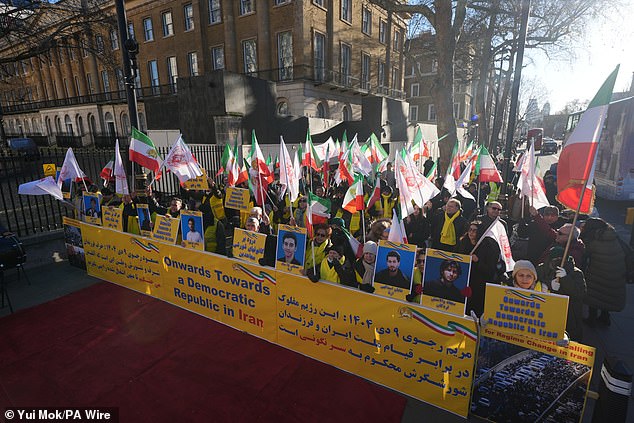
In London on Saturday, Iranian anti-government demonstrators, many expressing support for exiled Crown Prince Reza Pahlavi, gathered outside the Embassy of Iran. Protesters were seen holding historic Iranian flags, advocating for freedom and change within their nation.








Discussion about this post