

Get Ready for a Celestial Spectacle: April’s Sky Dazzles with Planets, Comets, and Meteors
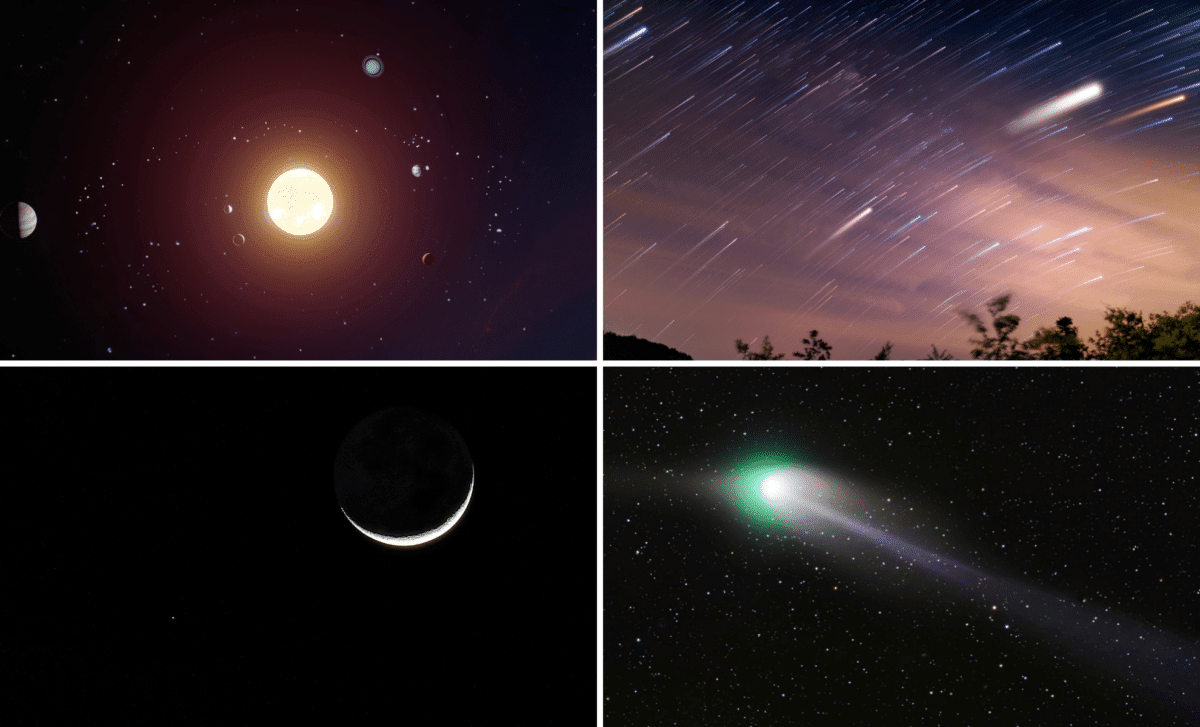
Prepare yourselves, stargazers! April is shaping up to be an absolute ripper of a month for anyone keen to cast their eyes skyward. We’re talking about a dazzling line-up of cosmic events, from a notoriously shy planet making a rare, brilliant appearance to a brand-new comet gracing our skies, all capped off by a flurry of meteors painting streaks of light across the darkness. Thanks to diligent observations and data from leading space agencies, this month is dishing up a sensational mix of accessible and breathtaking celestial phenomena, unfolding like a cosmic treasure hunt for those willing to look up.
Mercury’s Moment in the Sun (Well, Just Before It)
April 3rd marks a significant date for planet watchers: Mercury reaches its greatest elongation. Put simply, this means Mercury will be at its farthest apparent distance from the Sun as viewed from Earth. Why is this a big deal? Because it’s the golden ticket to spotting this elusive planet, which usually plays hide-and-seek in the Sun’s blinding glare.
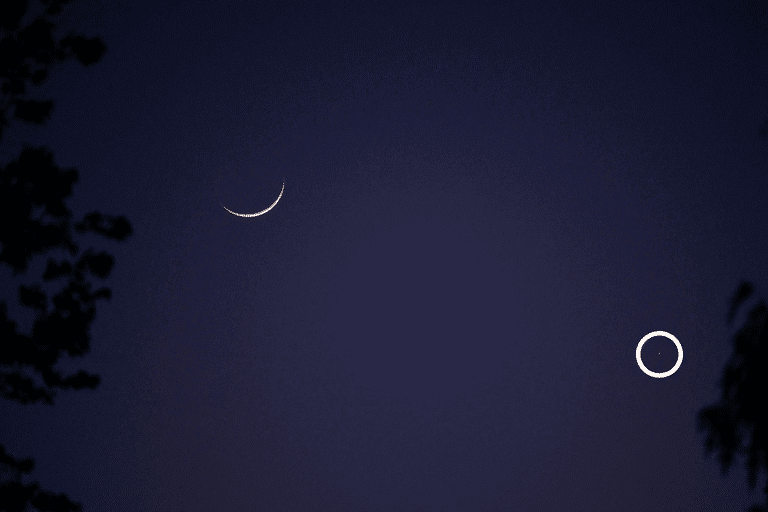
On this day, Mercury will be at its most visible for the entire year. You’ll need to be an early riser, peering low towards the eastern horizon just before sunrise. Look closely, and you should spot Mercury shining brightly, appearing almost alongside Mars. The window of opportunity is tight; its position near the horizon and the rapidly increasing daylight mean visibility fades fast. This celestial alignment is a brilliant reminder of how the intricate dance of planetary orbits directly influences what we can observe from our corner of the universe. For 2026, this April 3rd geometry offers one of the clearest views of Mercury you’re likely to get.
Comet C/2025 R3: A Green Visitor Arrives
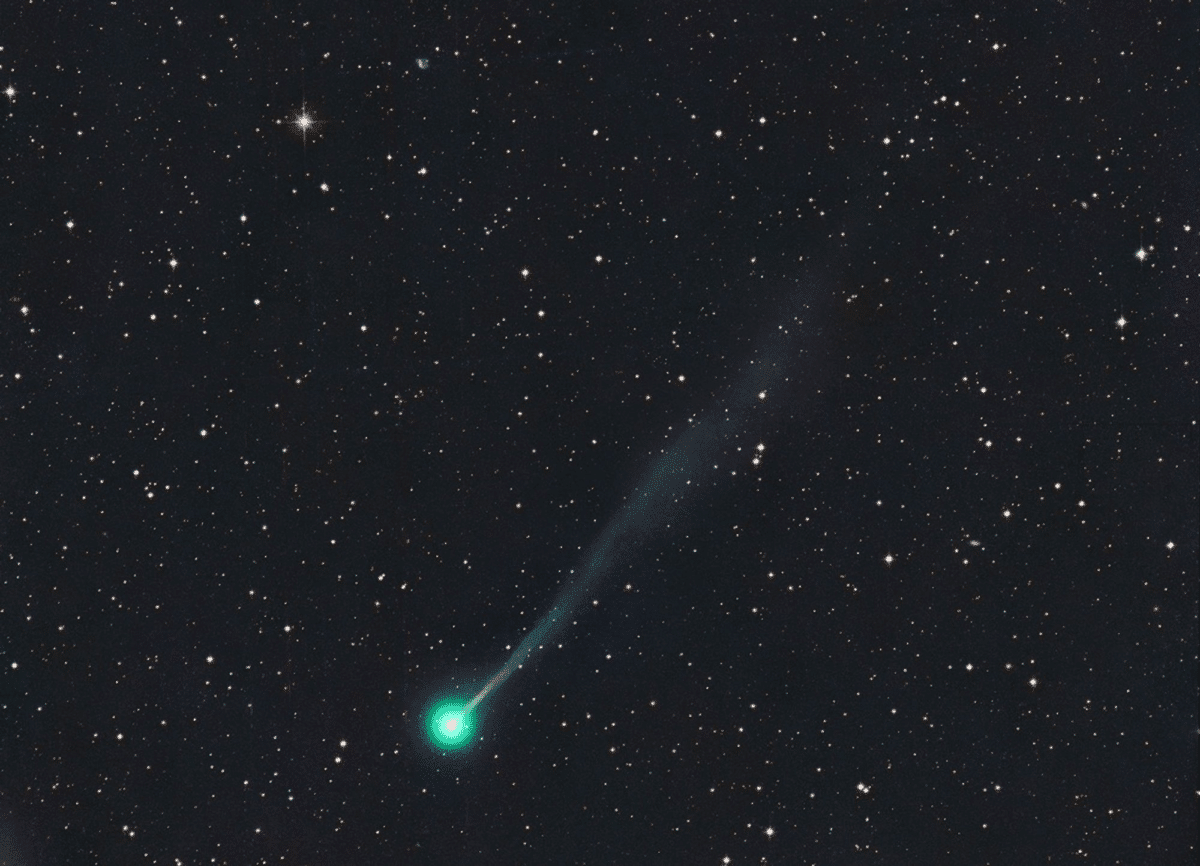
The real showstopper this month is the arrival of Comet C/2025 R3. This newly discovered celestial wanderer is poised to become one of the most talked-about astronomical sights of the year, and April 17th is your prime opportunity to catch it.
On this date, the comet is expected to reach a peak brightness of around magnitude 8. While this means it will likely be just beyond the reach of the naked eye for most of us, it’s perfectly within the capabilities of binoculars or a telescope. You’ll find it gracing the eastern predawn sky, making its stately journey through the constellations of Pegasus and drifting above Pisces.
According to astronomical data, the best viewing period for the Northern Hemisphere stretches from mid-April through the end of the month. Those of us in the Southern Hemisphere will have a slightly later chance, with the comet potentially visible in the evening skies in early May. Keep an eye out for its distinctive green glow and its often striking, extended ion tail – a truly mesmerising sight for both seasoned astrophotographers and casual skywatchers.
The Lyrid Meteor Shower: A Fiery Farewell to Winter
As April progresses, get ready for a dazzling display of cosmic fireworks with the Lyrid meteor shower. This annual event reaches its peak activity between April 21st and April 22nd, promising a spectacular light show. The Lyrids are born from the dusty debris trail left behind by Comet Thatcher, a celestial body that Earth plows through each April.
As these tiny particles of comet dust hurtle into our atmosphere at incredible speeds, they burn up, creating the brilliant streaks of light we know as shooting stars. Under ideal conditions – think dark skies far from city lights – you could be treated to anywhere from 15 to 20 meteors per hour.
The prime viewing time kicks off around 10 p.m. on April 21st and continues throughout the night into April 22nd. The meteors will appear to originate from a point near Vega, the fifth brightest star in our night sky, located in the constellation Lyra. While this radiant point helps orient viewers, remember that meteors can flash across any part of the sky, so finding a location with a wide, unobstructed panorama is your best bet for catching the most action.
Comet C/2025 R3’s Close Encounter
Adding to the excitement, Comet C/2025 R3 makes its closest approach to Earth on April 27th. This is when the comet will pass within a relatively close cosmic distance of approximately 44 million miles.
While this close pass might not result in a dramatic surge in brightness beyond what’s already expected, it’s a scientifically significant moment. Its proximity offers astronomers an even better opportunity to study the comet using optical instruments, gathering invaluable data about its composition, structure, and origins. The comet will continue to be a fixture in the eastern sky before sunrise, allowing dedicated observers to track its movement and evolution night after night. Its journey and changing appearance offer a dynamic and engaging observing experience that spans several days.


Tinggalkan Balasan