

Australia’s Islands: A Unique Opportunity to Combat Invasive Pests
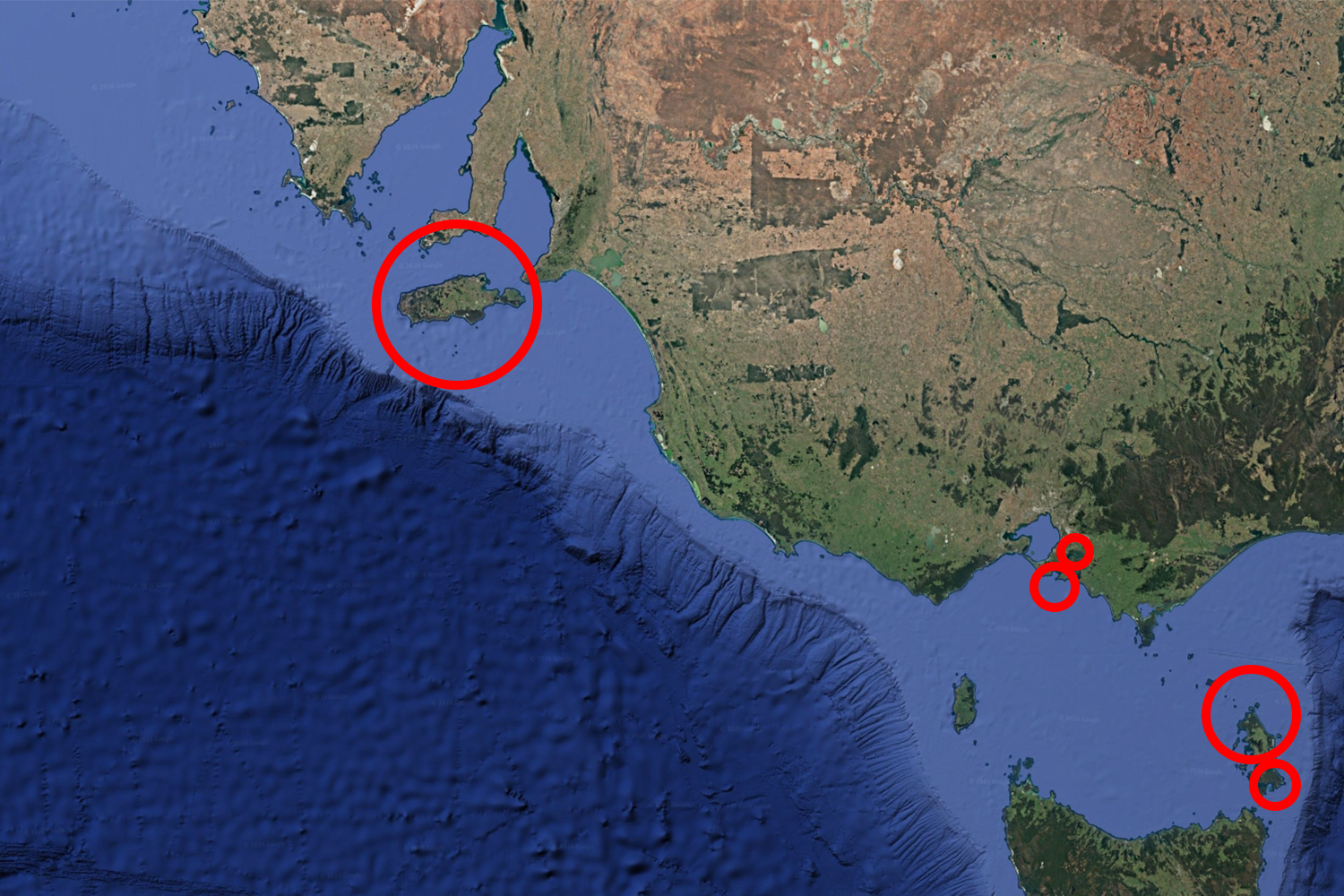
Australia’s islands present a rare and valuable chance to tackle invasive pests before they become unmanageable. The Invasive Species Council has identified eight key locations where the removal of a single invasive species could lead to significant ecological benefits. According to Dr Carol Booth, the council’s policy director, these changes could be achieved within our lifetimes, but more importantly, they would prevent future problems for generations to come.
On the mainland, invasive species have contributed to the extinction of native animals and are estimated to cost the agriculture sector around $5.3 billion annually. Once established on the mainland, many pest animals and plants are extremely difficult to eradicate, as seen in recent efforts to control fire ants, shot-hole borers, and varroa mites. However, islands offer a more manageable environment for such interventions.
There have been over 240 successful eradication efforts for animal pests on more than 170 Australian islands, highlighting the potential for effective action.
A Rare Chance to Stop Invasive Pest on One Island
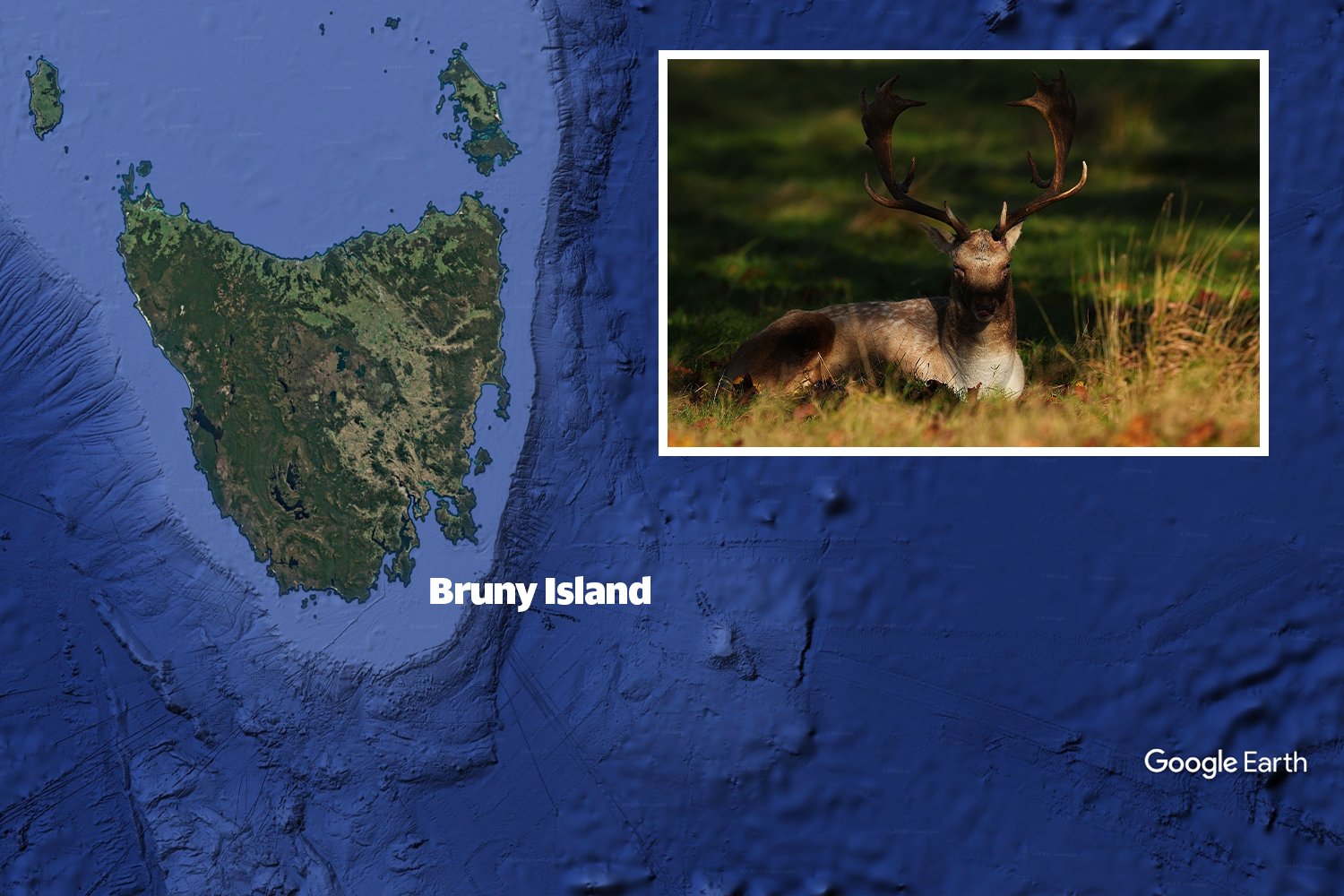
One of the most promising opportunities is on Tasmania’s Bruny Island, where fallow deer are still present in small numbers. Introduced between 2012 and 2013, there are only about 100 to 300 fallow deer on the island. These animals pose a threat to rare orchids and other plants, as well as the island’s clean, green tourism reputation.
Booth estimates that eradicating fallow deer on Bruny Island could cost just $7 million over 10 years. On the mainland, the fallow deer population is much larger, with over 71,000 individuals growing by 6% each year. This is particularly concerning given that there are only around 25,000 Tasmanian devils left.
Removal of Destructive Species Could Help Another Island
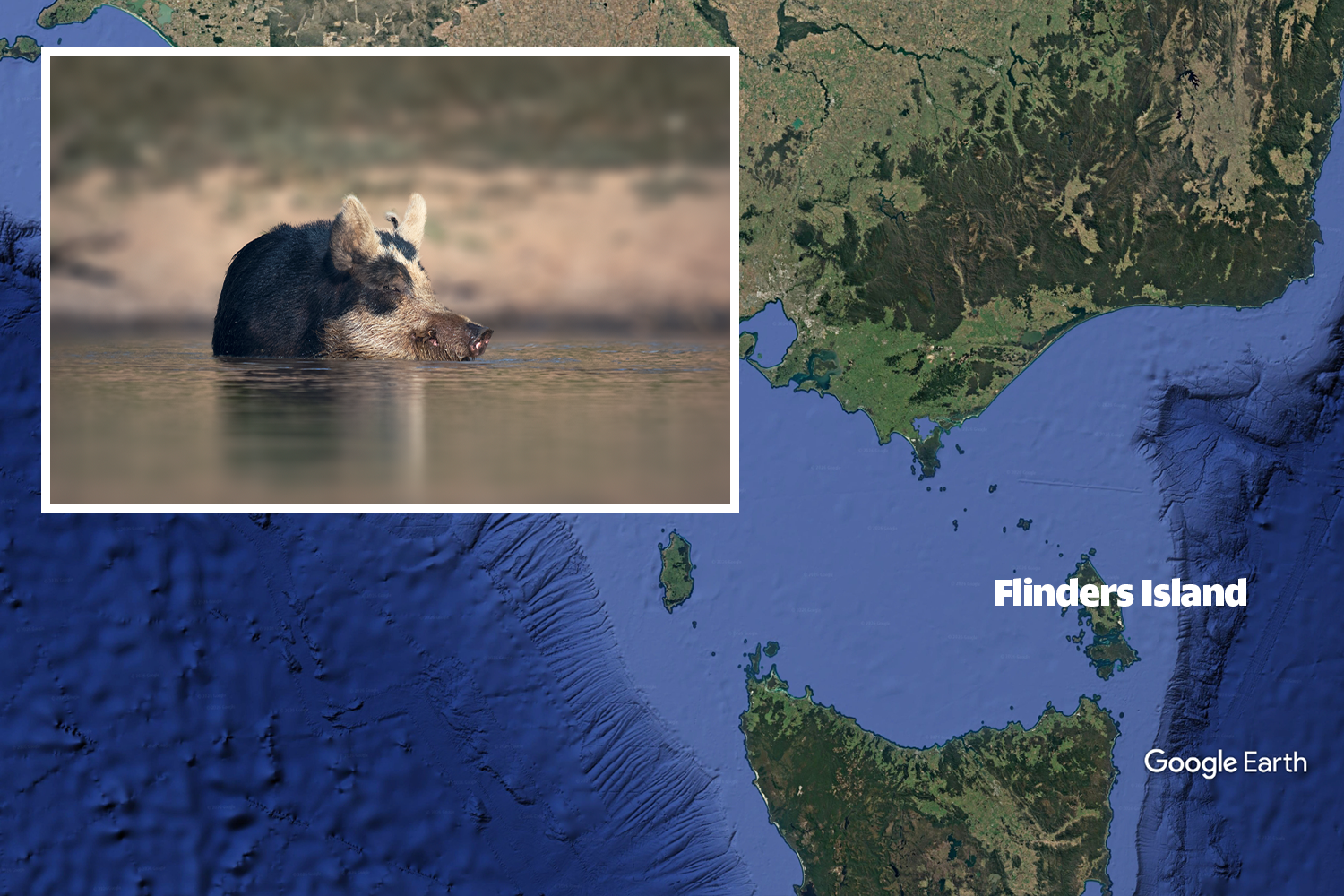
Just 350 km north of Bruny Island, Flinders Island is another area of focus. Pigs have been roaming the island since the 19th century, introduced by sealers. The region is home to at least 30 native plant and animal species, and pigs can be especially destructive due to their wallowing and rooting behavior in soft soils.
“Pigs are one of Australia’s most damaging invaders of wetlands, they dig up lilies and orchids,” Booth said. Their impact on the local ecosystem is significant, making their removal a priority.
Single Species Needs to Be Removed from Five Other Islands
Feral cats are among Booth’s top concerns, and she advocates targeting them on five islands. While it may seem daunting, the task is not impossible—cats have already been successfully eradicated from multiple locations, including Macquarie Island and Rottnest Island.
Cats have played a role in the extinction of over 20 species in Australia. Today, they are estimated to kill over 1.5 billion native mammals, birds, reptiles, and frogs, along with 1.1 billion invertebrates each year. Because they cannot be fully eradicated from the mainland, the only way to protect many small mammal species is through large, fenced sanctuaries.
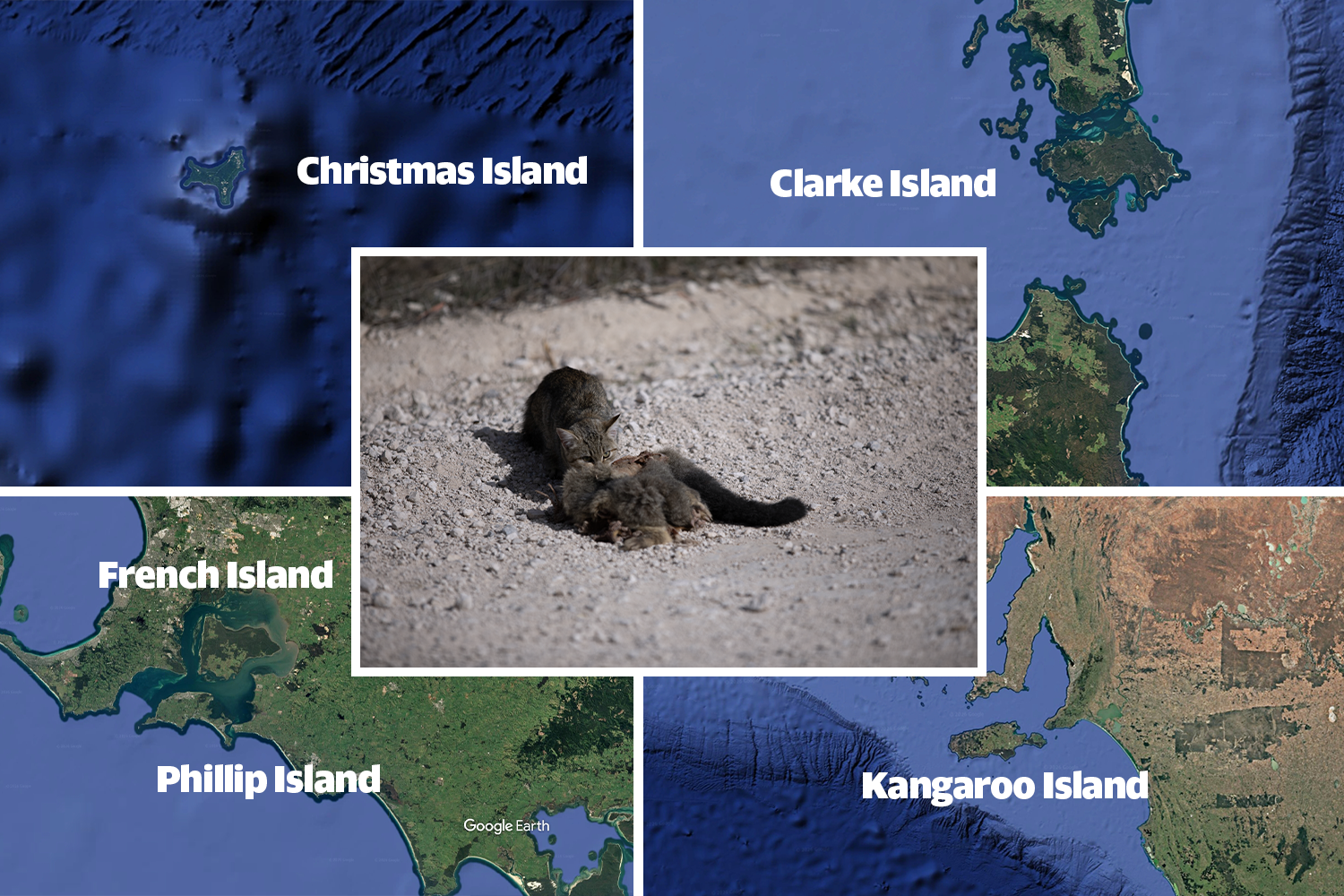
On Lungtalanana Island (Clarke Island), the eradication of cats cost $1.7 million over four years. Their removal will help important species like the long-nosed potoroo, New Holland mouse, Lewin’s rail, and hooded plover.
Across Bass Strait, a plan to eliminate feral cats on Kangaroo Island in South Australia is already underway. Cats on the island prey on over 50 native species, including the Kangaroo Island dunnart, which is found nowhere else on Earth. To prevent their return, one proposal includes banning cats as pets in the future.
Another hotspot is Christmas Island, located 1,550 km northwest of the Australian mainland. Work to eradicate cats is already in progress, with regulations prohibiting their importation. When they are finally gone, species like the Christmas Island flying fox and red-tailed tropicbird will benefit.
The last two priority areas for cat eradication on Booth’s list are Victoria’s Phillip Island and French Island. Both are fox-free and host rare eastern barred bandicoot populations.
Conclusion
The opportunity to target invasive pests on Australia’s islands represents a critical step in preserving native ecosystems and protecting biodiversity. With strategic planning and investment, these efforts can yield long-term benefits for both wildlife and the environment.


Tinggalkan Balasan