

Fuel Price Hike Prompts Public Transport Relief in Tasmania and Victoria
As the cost of filling up the tank continues to bite, many Australians are actively seeking more economical ways to navigate their daily commutes. While public transport patronage has seen a notable uptick across the nation, only two state governments are stepping in with direct financial relief for their residents: Tasmania and Victoria. Both states are implementing bold initiatives to ease the financial strain of soaring fuel prices by making public transport fares free for a limited time.
Tasmania Leads the Charge with Free Public Transport
The Tasmanian government has announced a comprehensive subsidy, effectively making public transport completely free for all residents. This initiative covers a wide range of services, including buses operated by Metro, Redline, and Tassielink, as well as ferry services. The fare-free period commenced on Monday, March 30th, and is set to run until July 1st. Early reports from the ABC indicate a significant surge in public transport usage, with a reported 20 per cent increase in the past week alone, underscoring the immediate impact of this policy. This move is a clear signal from the Tasmanian government encouraging a shift away from private vehicle reliance during this period of economic pressure.
Victoria Joins the Effort with Subsidised Fares
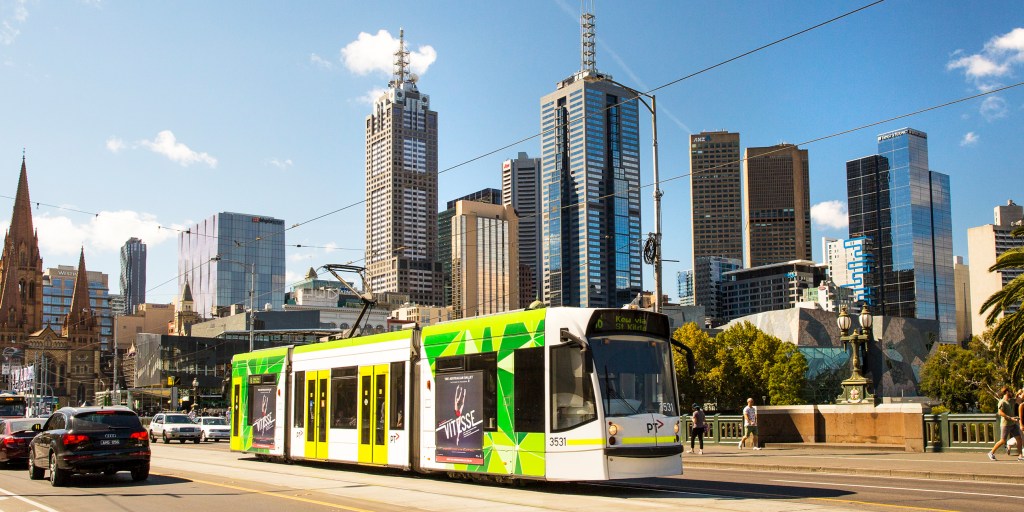
Following closely, the Victorian government has also introduced a fare subsidy scheme aimed at alleviating the financial burden on commuters. From Tuesday, March 31st, to Thursday, April 30th, all Melbourne metropolitan trains, trams, and buses will be free to use. This also extends to regional trains, coaches, and buses, encompassing both intertown and local regional services. The estimated cost to the Victorian government for this initiative is a substantial $71 million in foregone fare revenue. It is important to note that this subsidy does not extend to airport buses, ferries, or any privately operated services.
A Look at Other States and Territories
While Tasmania and Victoria are offering direct financial relief, the response from other Australian states and territories has been varied.
-
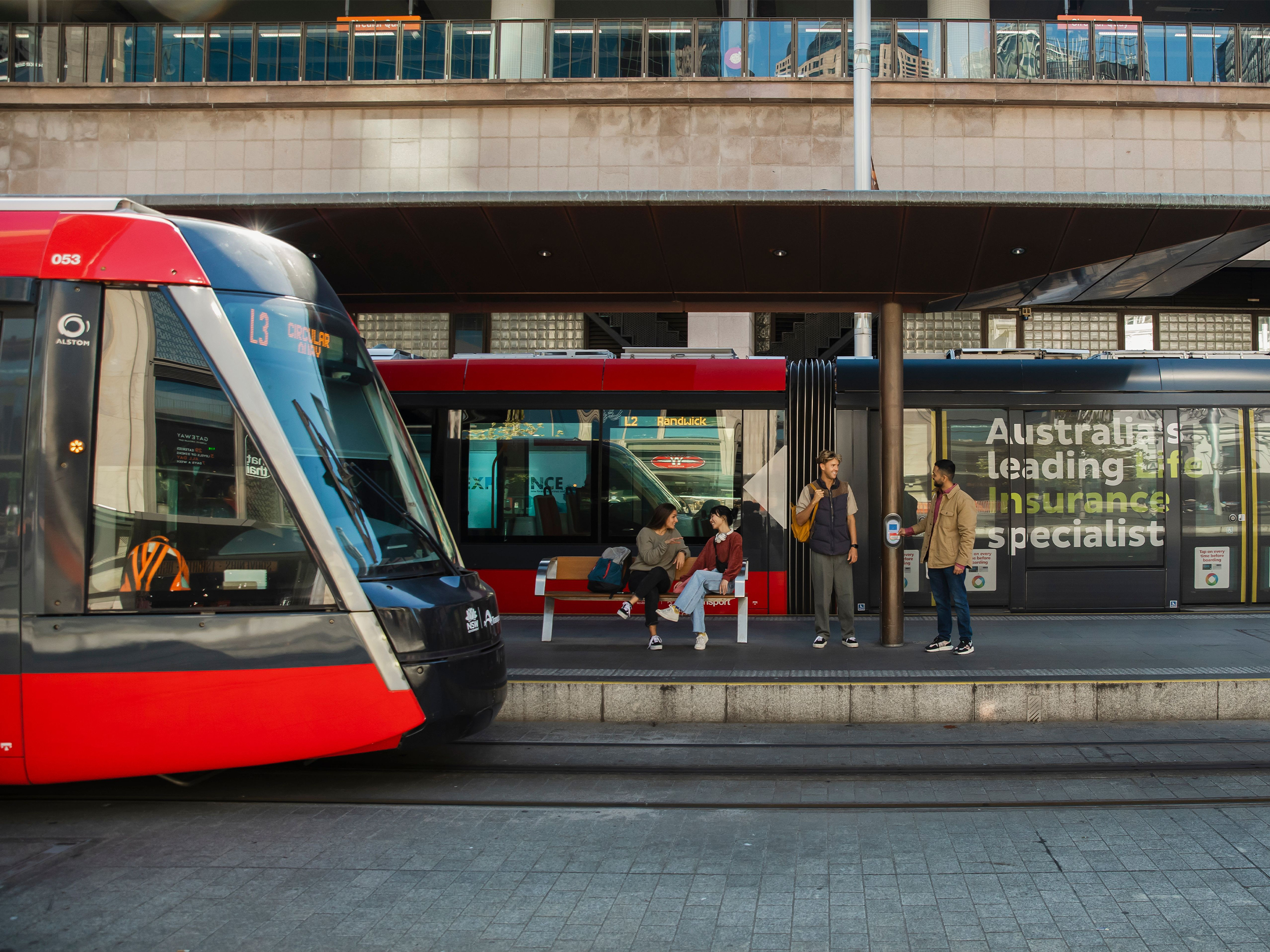
New South Wales (NSW): Despite the unprecedented surge in fuel prices, with Ethanol 94/Unleaded 91 (E10-U91) reaching record highs between 235.9 and 277.9 cents per litre, the Minns government has explicitly ruled out subsidising public transport fares for Sydneysiders. The increasing cost of petrol has undeniably driven more commuters to consider public transport options, but NSW is not following the lead of Tasmania and Victoria in offering fare relief.
-
Queensland: Queenslanders will not benefit from free public transport. However, the state already boasts some of the most affordable public transport fares globally, with a consistent flat fare of just 50 cents. This existing low-cost structure may offer some mitigation for residents, though it doesn’t match the outright subsidy being offered elsewhere.
-
Australian Capital Territory (ACT): In Canberra, public transport fares saw a modest increase of 2.75 per cent in January 2026. There has been no confirmation or indication from the ACT government regarding any plans to subsidise fares in the near future, despite the ongoing pressure from rising petrol prices.
-
Western Australia (WA) and South Australia (SA): Both Western Australia and South Australia have confirmed that they will not be implementing statewide free public transport initiatives. Residents in these states will continue to pay standard fares for their commutes.
-
Northern Territory (NT): The Northern Territory government has taken a different approach, offering free bus services across the Greater Darwin Region and Alice Springs. This initiative has been in place since July 1st, 2024, providing a localized solution for public transport users in these key areas.
The differing approaches taken by state and territory governments highlight the complex economic considerations and policy priorities at play as Australia grapples with the persistent challenge of high fuel prices and their impact on household budgets.


Tinggalkan Balasan