

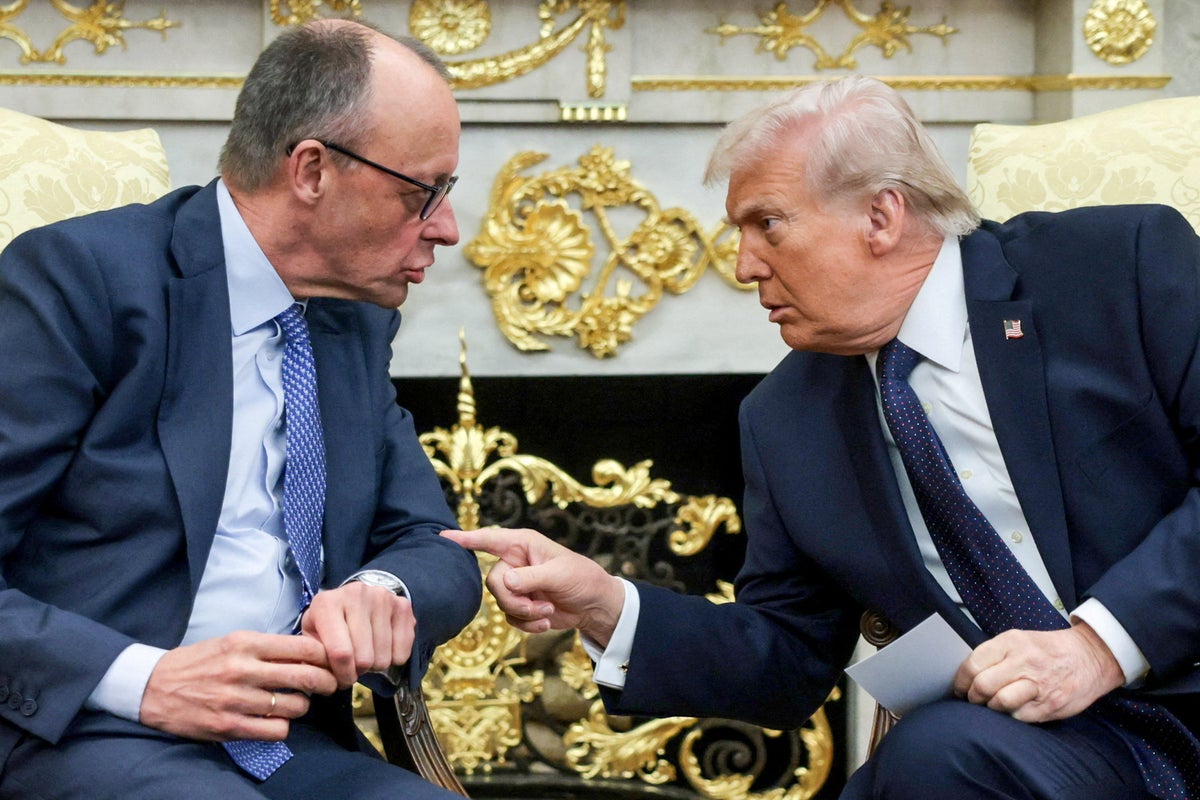
The United States has announced plans to withdraw 5,000 troops from Germany, a NATO ally, as tensions escalate over the ongoing conflict in Iran. This decision comes amid growing disagreements between former President Donald Trump and European leaders, particularly German Chancellor Friedrich Merz.
Earlier this week, Mr. Trump had warned of reducing military presence in response to recent statements from German officials. On Monday, Mr. Merz criticized the United States for its handling of negotiations with Iran, claiming that the Iranian leadership was humiliating the US during discussions to resolve the two-month-old war. A senior Pentagon official, speaking anonymously, described recent German comments as “inappropriate and unhelpful,” adding that the president was justified in responding to these remarks.
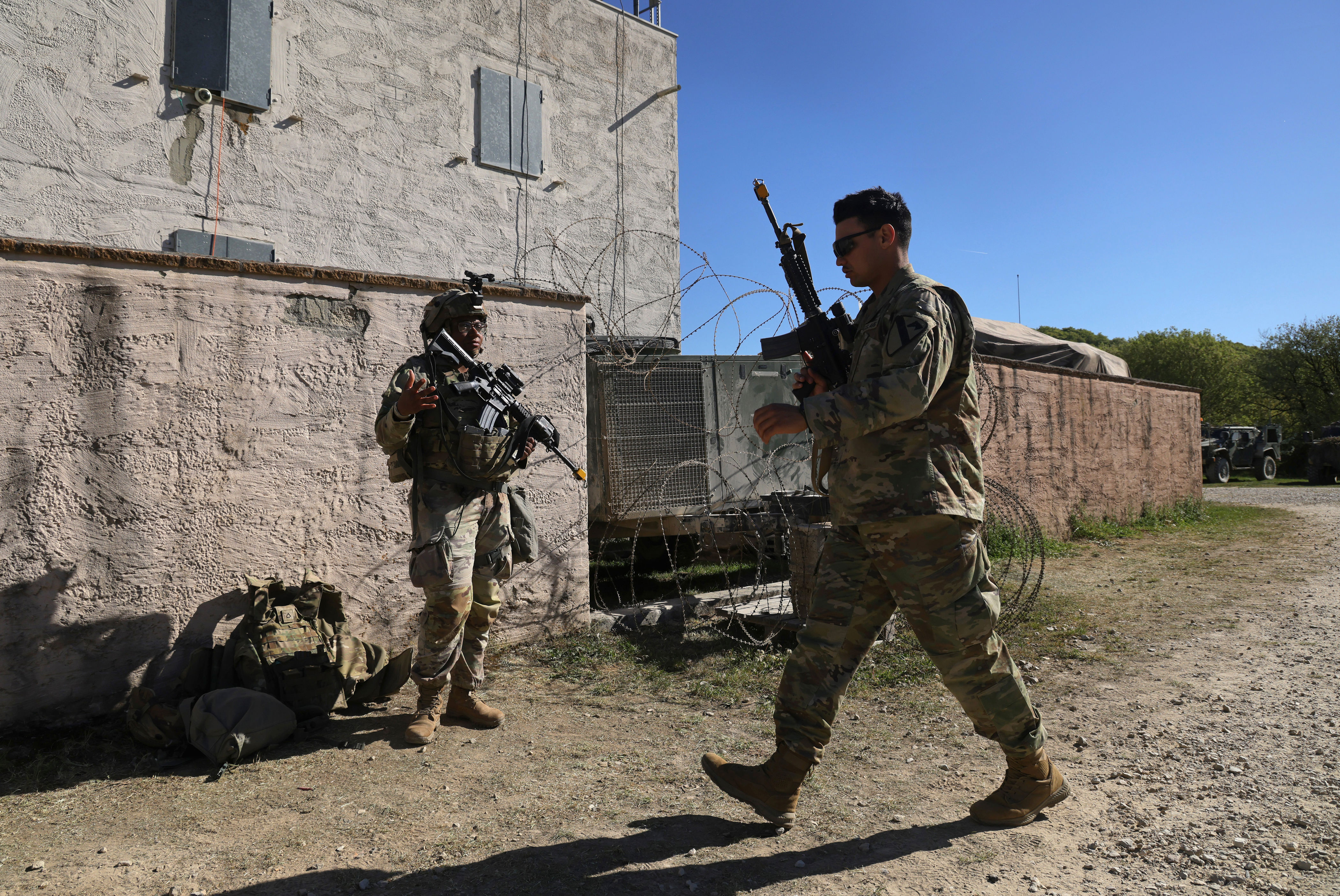
Germany remains the largest military base for the US in Europe, serving as a crucial training center with over 35,000 active-duty personnel stationed there. The country has faced criticism from the Trump administration for not contributing more to securing the Strait of Hormuz, a vital waterway that has been effectively closed since February 28. This closure has caused significant disruptions in energy supplies across Europe, Asia, and other regions.
The US Navy is currently restricting the export of Iranian crude oil. On Friday, the US Treasury issued a warning to shippers, stating that they could face sanctions if they paid tolls to Iran to pass through the strait.
Mr. Merz has also expressed concerns about the US and Israeli actions against Iran, suggesting that diplomatic efforts have not yielded results. He remarked on Monday that an entire nation was being humiliated by the Iranian leadership, particularly the Revolutionary Guards. “I hope this ends as quickly as possible,” he said. “The Iranians are very skilled at negotiating—or rather, very skillful at not negotiating, letting the Americans travel to Islamabad and then leave without any result.”
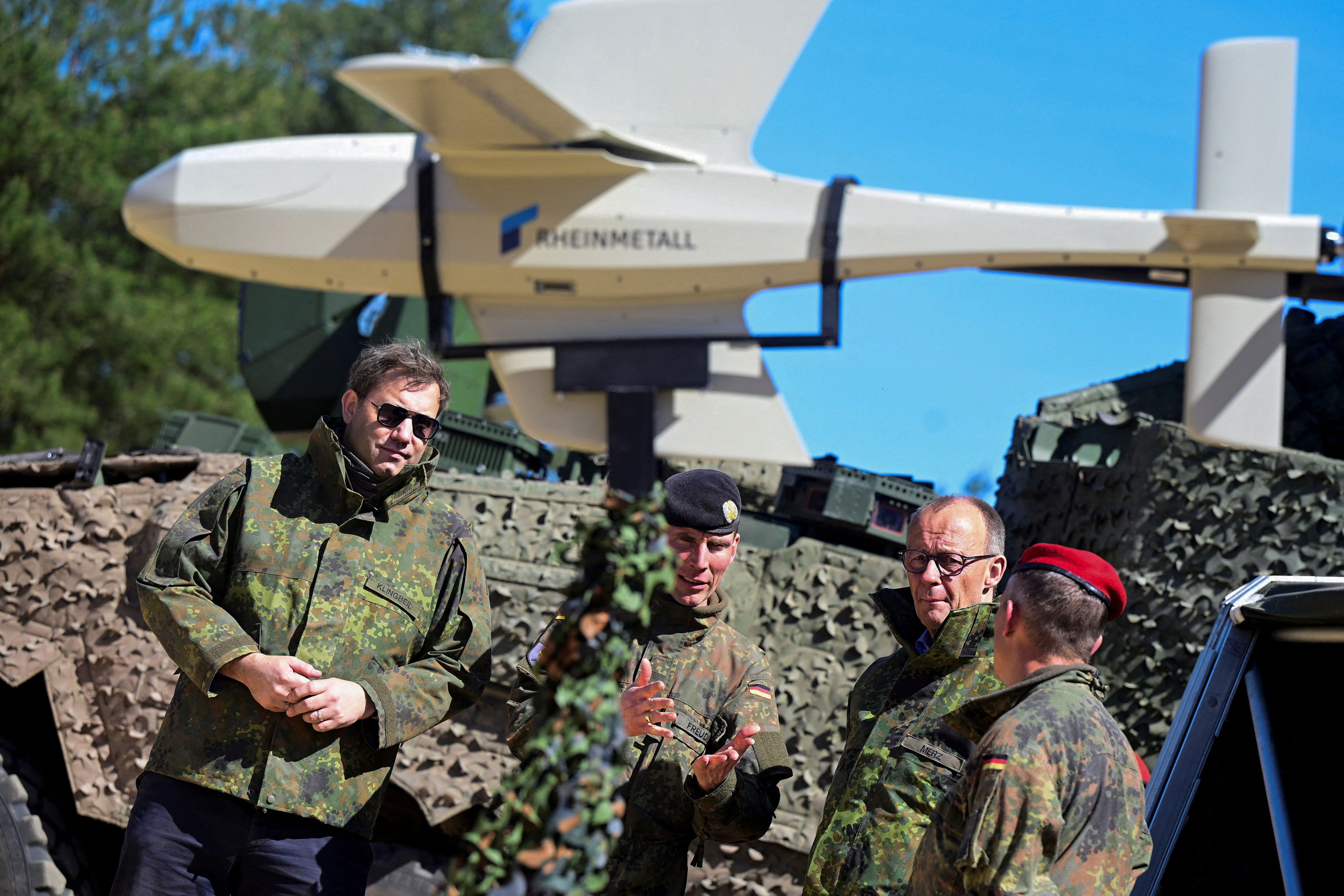
He further questioned the US strategy in the Iran conflict, highlighting deepening divisions between Washington and European NATO allies. These tensions are compounded by issues related to Ukraine and trade tariffs. Mr. Trump responded to Mr. Merz’s comments on Thursday, urging the German chancellor to focus more on ending the war in Ukraine and addressing domestic issues such as immigration and energy, rather than interfering with negotiations.
“The Chancellor of Germany should spend more time on ending the war with Russia/Ukraine (where he has been totally ineffective!), and fixing his broken Country, especially Immigration and Energy, and less time on interfering with those that are getting rid of the Iran Nuclear threat, thereby making the World, including Germany, a safer place!” Mr. Trump stated.
On Friday, Mr. Trump also announced plans to increase tariffs on cars and trucks from the European Union to 25% next week, up from the previously agreed 15%. This move is expected to have the most significant impact on Germany.
The Pentagon confirmed that the troop withdrawal from Germany would take place over the next six to twelve months. This reduction will bring US military presence in Europe back to levels seen before the 2022 Russian invasion of Ukraine, which led to a buildup under former President Joe Biden. A brigade combat team will be removed from Germany, and a long-range fires battalion that was scheduled to deploy later this year will no longer be sent.
Independent readers are known for their independent thinking and global perspective. They are not defined by traditional demographics but by their attitudes and values. In today’s fragmented world, communities seek real facts and honest opinions from trusted news sources. Empowered by information and inspiration, these readers are equipped to stand up for their beliefs and make informed decisions.


Tinggalkan Balasan